Anti-Counterfeit Labels
How We Approach Complex Automotive Identification Label Projects
Complex automotive identification labels often combine materials, printing, RFID and security features in a single label — engineered around the project, not quoted from size and quantity alone.
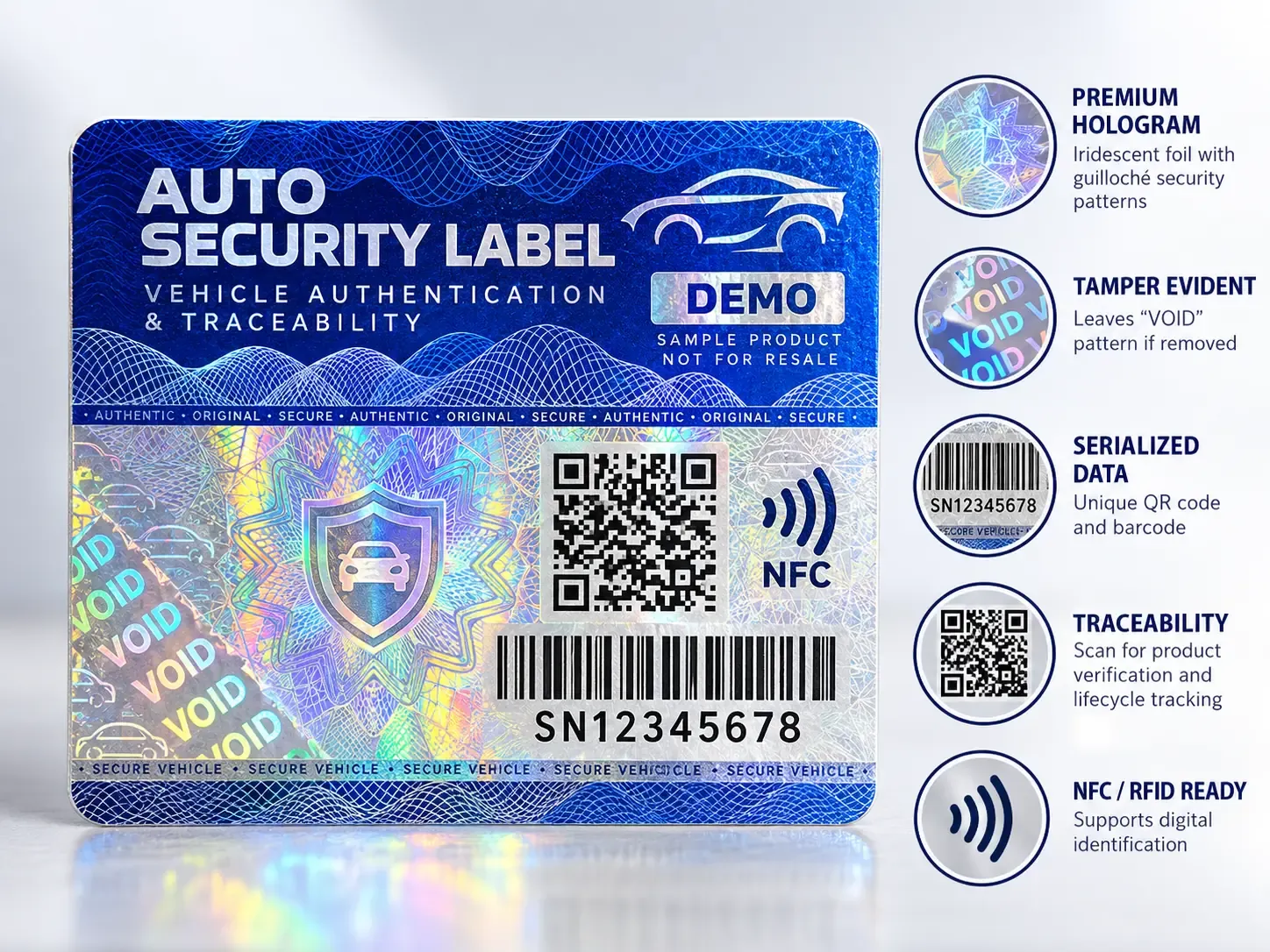
Complex automotive identification labels often combine materials, printing, RFID and security features in a single label. Anshi approaches these projects in seven steps — from defining the application and installation environment to prototyping and testing — so the final label structure is engineered around the project, not quoted from size and quantity alone.
Some customized products cannot be quoted accurately from dimensions and quantity alone.
Automotive identification labels are a good example.
A project may combine material engineering, printing, RFID and security technologies into one product.
Our approach is therefore based on technical decomposition.
Step 1 — Define the Application
Examples:
- Vehicle inspection
- Registration
- Parking
- Access management
- VIN tracking
- Fleet identification
Step 2 — Define the Installation Environment
Important factors include:
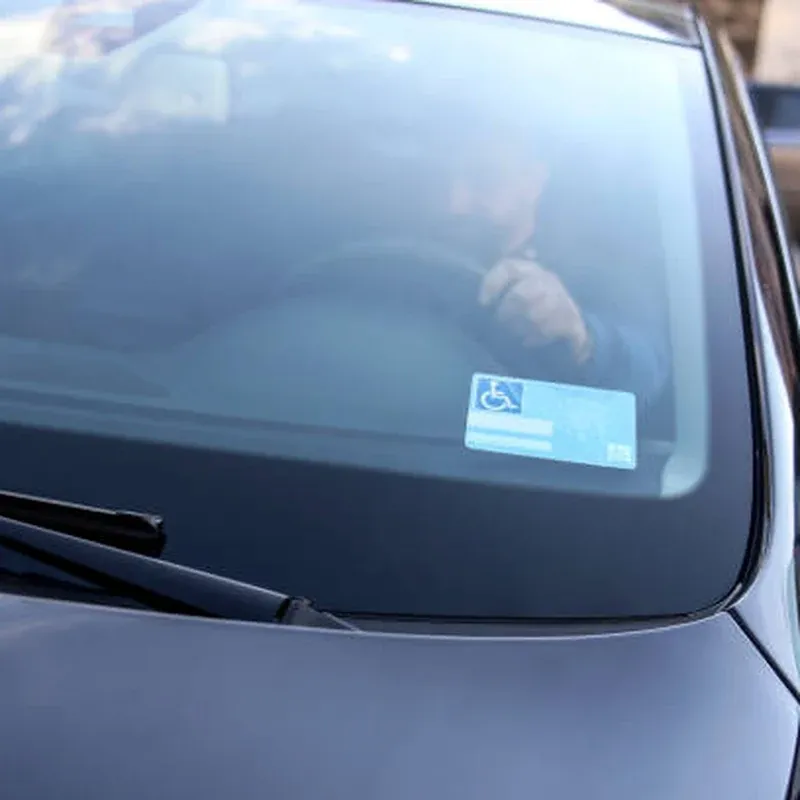
- Inside or outside glass
- Windshield position
- Temperature
- UV exposure
- Expected service life
- Removal requirement
Step 3 — Define Identification
The project may require:
- Fixed information
- Serial number
- Barcode
- QR
- RFID
Step 4 — Define Authentication
We then determine how authenticity will be checked.
Options can include:
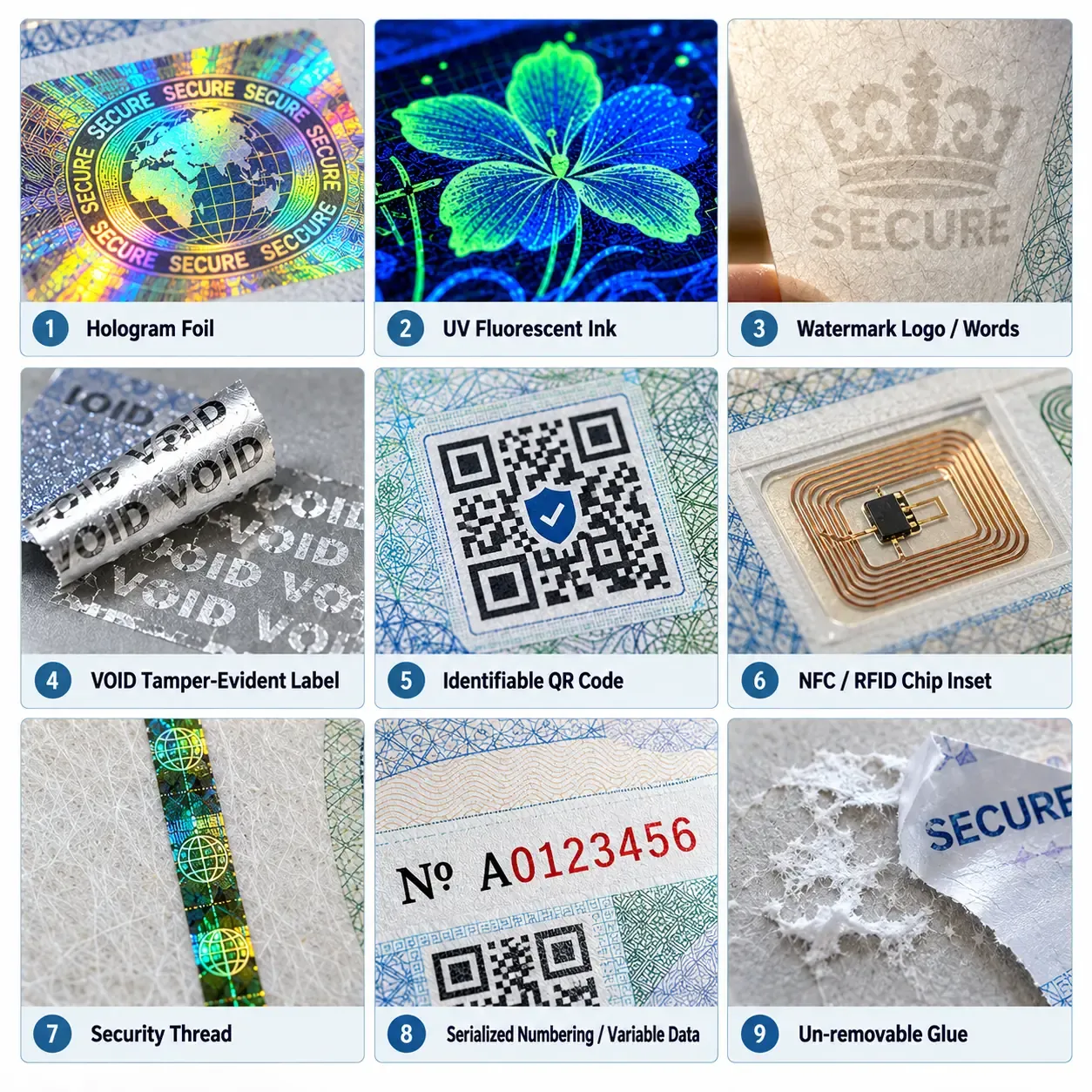
- Holographic features
- UV fluorescence
- Microtext
- Security background
- Special printed elements
Step 5 — Define Anti-Transfer Requirements
Should the label:
- Remain intact when removed?
- Leave VOID evidence?
- Fragment?
- Delaminate?
- Destroy critical information?
The answer determines the material construction.
Step 6 — Combine Technologies
Only after these requirements are understood should the final label structure be developed.
A possible customized product may combine:
- PET construction
- permanent adhesive
- customized hologram
- UV mark
- variable VIN
- barcode
- RFID
- security cutting.
Step 7 — Prototype and Test
Samples should be tested for:
- Adhesion
- Removal behavior
- RF performance
- Code readability
- UV verification
- Holographic appearance
- Environmental suitability
Standard Product or Custom Project?
This distinction is important.
For simple applications, a standard construction may be sufficient.
For complex government, automotive or traceability programs, the product should be engineered around the project.
Frequently Asked Questions
Q: Why can't a complex automotive identification label be quoted from size and quantity alone?
A: Because one label may combine material engineering, printing, RFID and security technologies. The material construction depends on the application, the installation environment and the anti-transfer requirements, so these must be defined before an accurate quotation.
Q: What information does an automotive identification label carry?
A: Depending on the project, it can carry fixed information, variable vehicle information, a serial number, a barcode, a QR code and RFID.
Q: How is a customized label verified before production?
A: Through prototypes tested for adhesion, removal behavior, RF performance, code readability, UV verification, holographic appearance and environmental suitability.