Anti-Counterfeit Labels
What Information Is Really Needed Before Developing a Custom RFID/NFC Label?
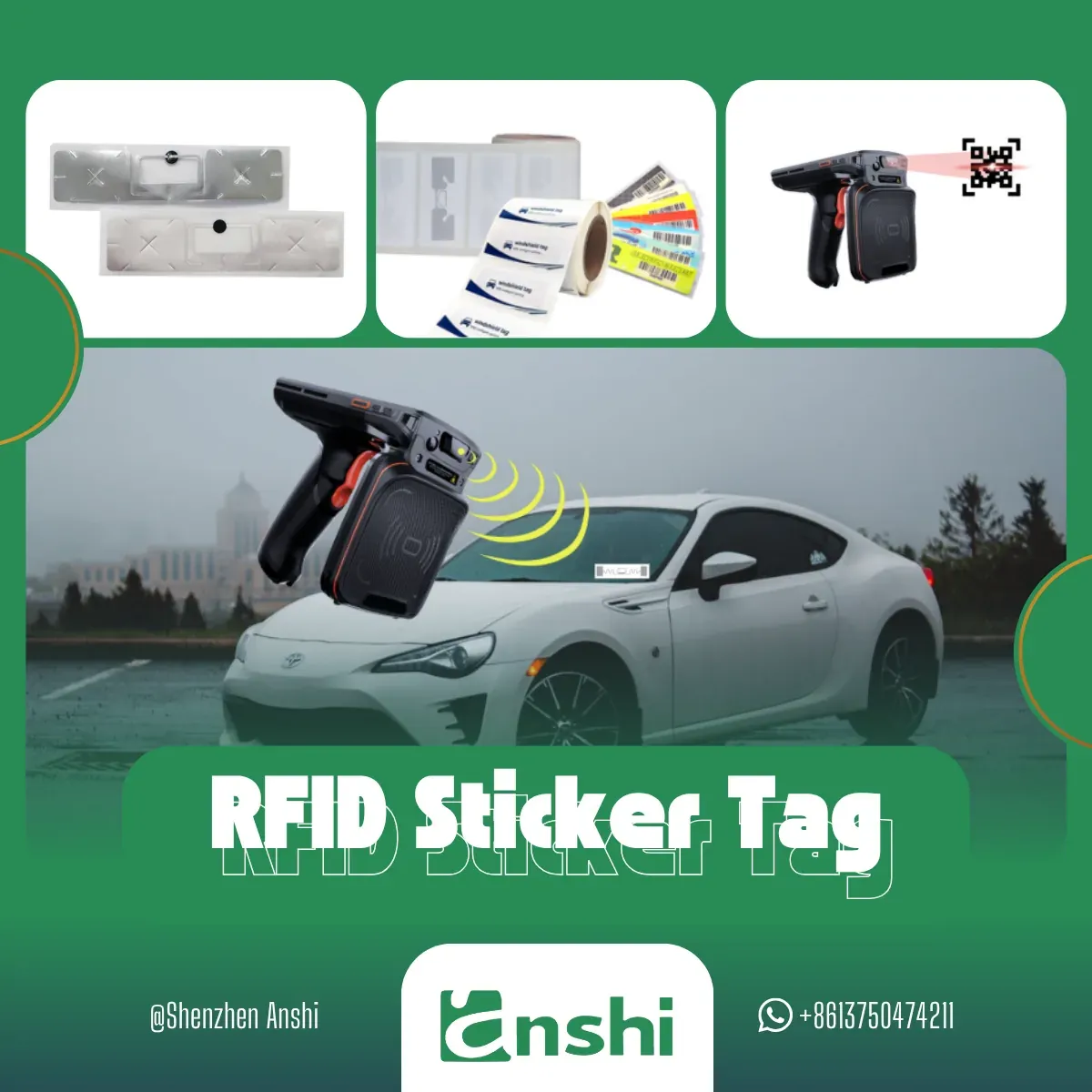
RFID/NFC projects often start with a simple request such as: "We need an RFID/NFC sticker."
From a technical perspective, however, this is not enough information to determine the correct solution.
A professional RFID/NFC label is a combination of an IC, antenna, substrate, adhesive, printing system and application environment.
Before developing a customized RFID label, we normally recommend confirming the following information.
1. Frequency and RFID/NFC Protocol
The first decision is whether the application requires LF, HF/NFC or UHF RFID.
The frequency determines the communication characteristics, antenna structure, reading method and many aspects of the final tag construction.
2. Chip Requirements
Important questions include:
- Memory size
- Read-only or read/write
- UID requirement
- Password or security functions
- EPC requirements
- Serialization
- Compatibility with the existing reader system
The most expensive chip is not automatically the best choice.
The correct IC should match the actual project.
3. Reading Distance
A customer asking for 5 metres and another customer asking for 5 centimetres are developing completely different products.
Reading distance depends not only on the chip but also on:
- Antenna
- Reader power
- Reader antenna
- Orientation
- Mounting surface
- Surrounding RF environment
4. Installation Surface
This is particularly important.
Will the label be applied to:
- Paper
- Plastic
- Glass
- Metal
- Vehicle windshield
- Equipment housing
- Packaging
- Textile
- Curved surfaces?
A tag designed for one surface may not perform correctly on another.
5. Environmental Conditions
Professional buyers should also specify whether the tag must resist:
- UV exposure
- High temperature
- Low temperature
- Humidity
- Water
- Chemicals
- Cleaning agents
- Outdoor weather
- Mechanical abrasion
6. Physical Construction
RFID/NFC electronics can be integrated into many different constructions.
For example:
- Paper labels
- PET labels
- PVC labels
- Windshield labels
- Tamper-evident labels
- Hard tags
- On-metal tags
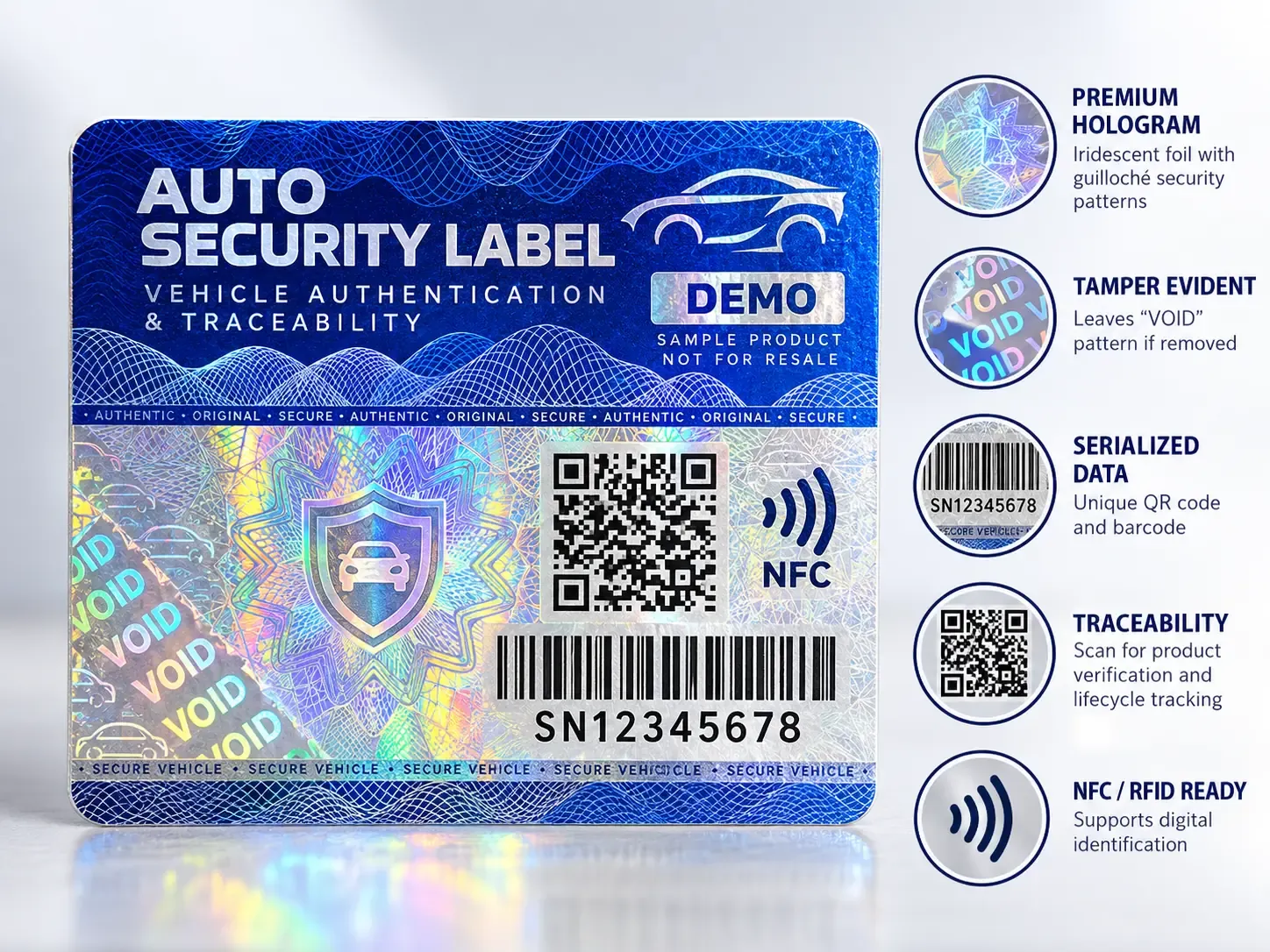
- Security labels
7. Printing and Variable Data
RFID/NFC projects often require additional printed identification such as:
- Barcode
- QR code
- Serial number
- Vehicle number
- Asset ID
- Logo
- Human-readable number
The printed data may also need to correspond exactly with the electronic information encoded into the RFID/NFC chip.
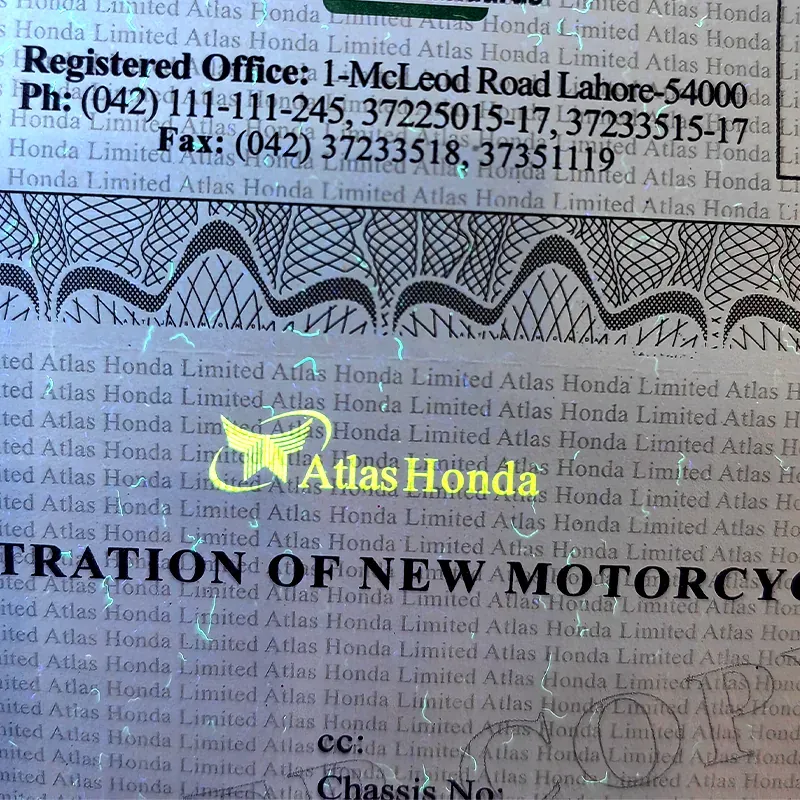
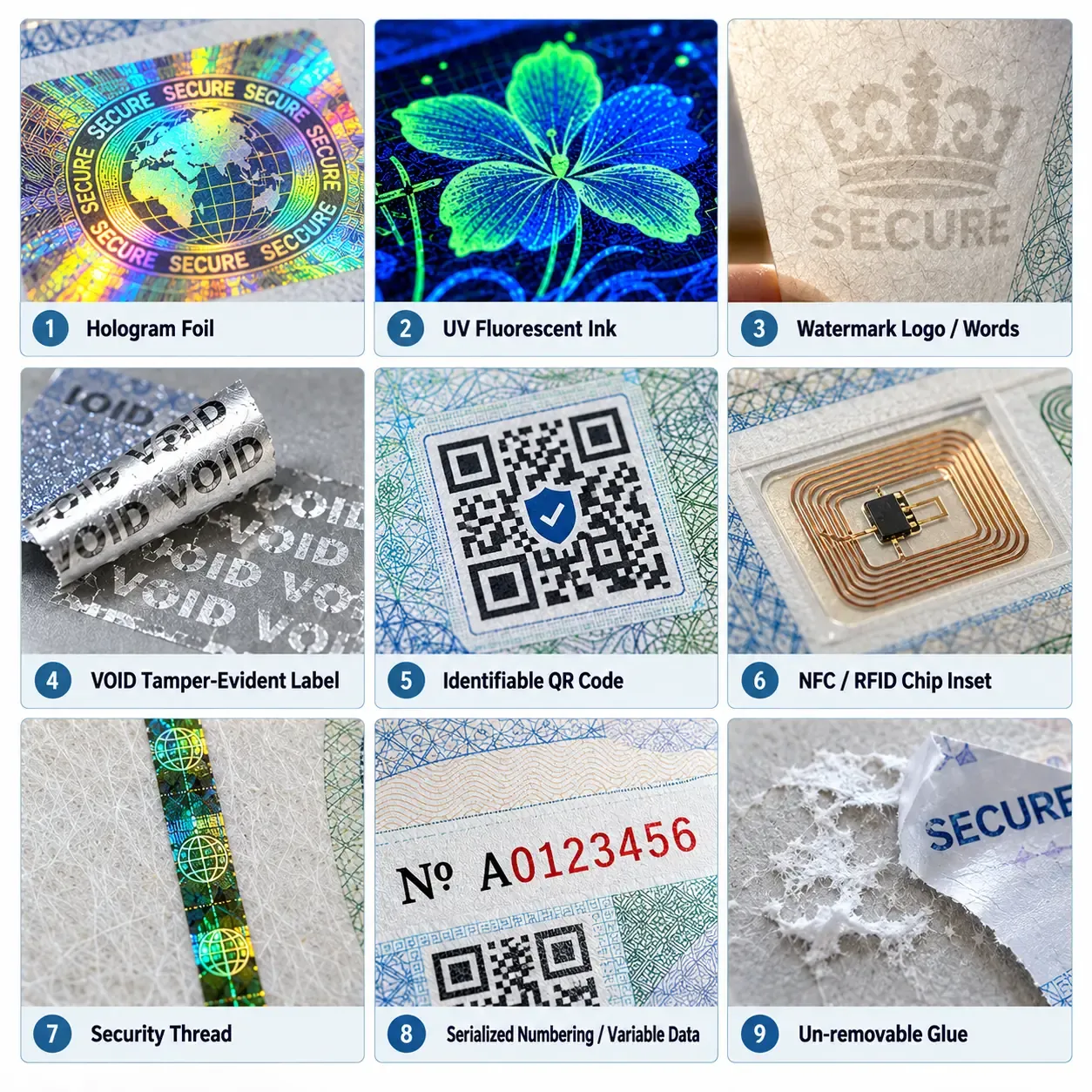
8. Anti-Counterfeit Requirements
For higher-security applications, RFID/NFC can also be integrated with:
- Holographic security elements
- UV fluorescent printing
- Microtext
- Tamper-evident structures
- Destructible materials
- Variable-data printing
This turns a simple RFID/NFC label into a combined identification + authentication + traceability solution.
Our Approach
At Anshi, customized RFID/NFC projects are evaluated from the complete application rather than from one isolated component.
A typical development process may include:
Requirement review → RFID/NFC specification → material construction → antenna / inlay selection → security feature integration → printing and serialization → prototype → application testing → production.
For technically defined RFID/NFC projects, specifications and application details are always welcome before quotation.